1. Introduction
BotanFluid’s valve model designation system is based on the Chinese national standard GB/T 32808–2016 – Valve Model Designation Method.
According to this standard, a valve model designation consists of seven elements: valve type, actuation method, end connection, structural form, sealing-surface or lining material, pressure rating, and body material.
2. Composition of the Designation
The designation is assembled in the following order: typical valve-type code; actuation-mechanism code; end-connection code;structural-form code; sealing-surface or lining-material code; nominal pressure (pressure class or working pressure at operating temperature); and body-material code.

For clarity, this page focuses on the first five elements, explaining how each code is assigned and arranged in our product model references. Pressure and body-material codes are not covered in this overview.
3. Typical Representation of Designation Codes
3.1 Valve-Type Code


3.2 Actuation-Method Codes

3.3 End-Connection Codes

3.4 Structural-Form Codes


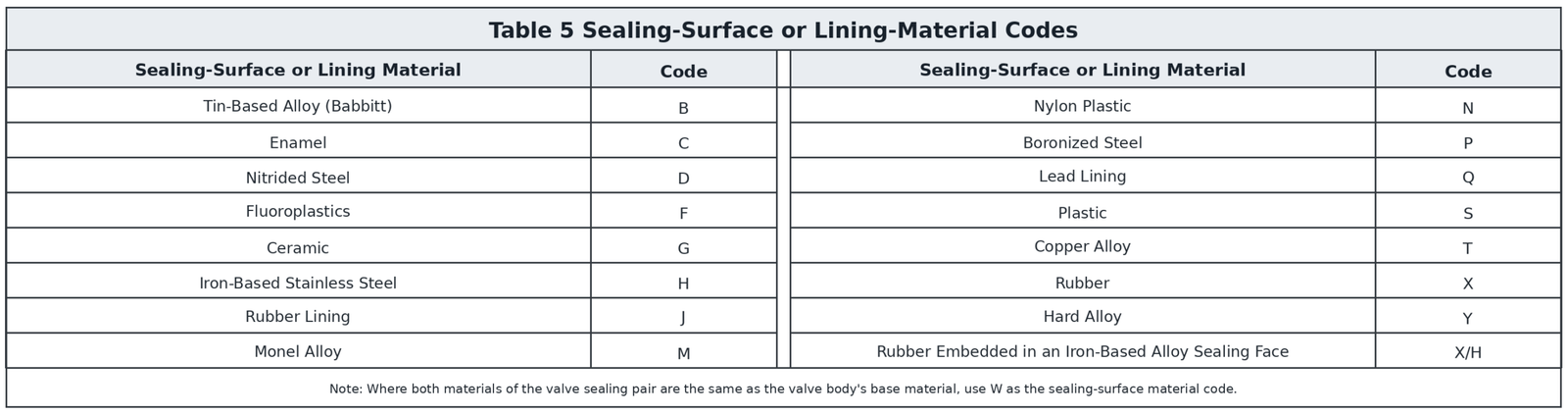
3.5 Sealing-Surface/Lining-Material Codes
4. Further Information & Reference
The tables above summarise the valve model codes most commonly used in BotanFluid’s product range, providing a practical reference for understanding our product designations. For the complete seven-element coding structure and detailed designation rules, please refer to specific documents: